
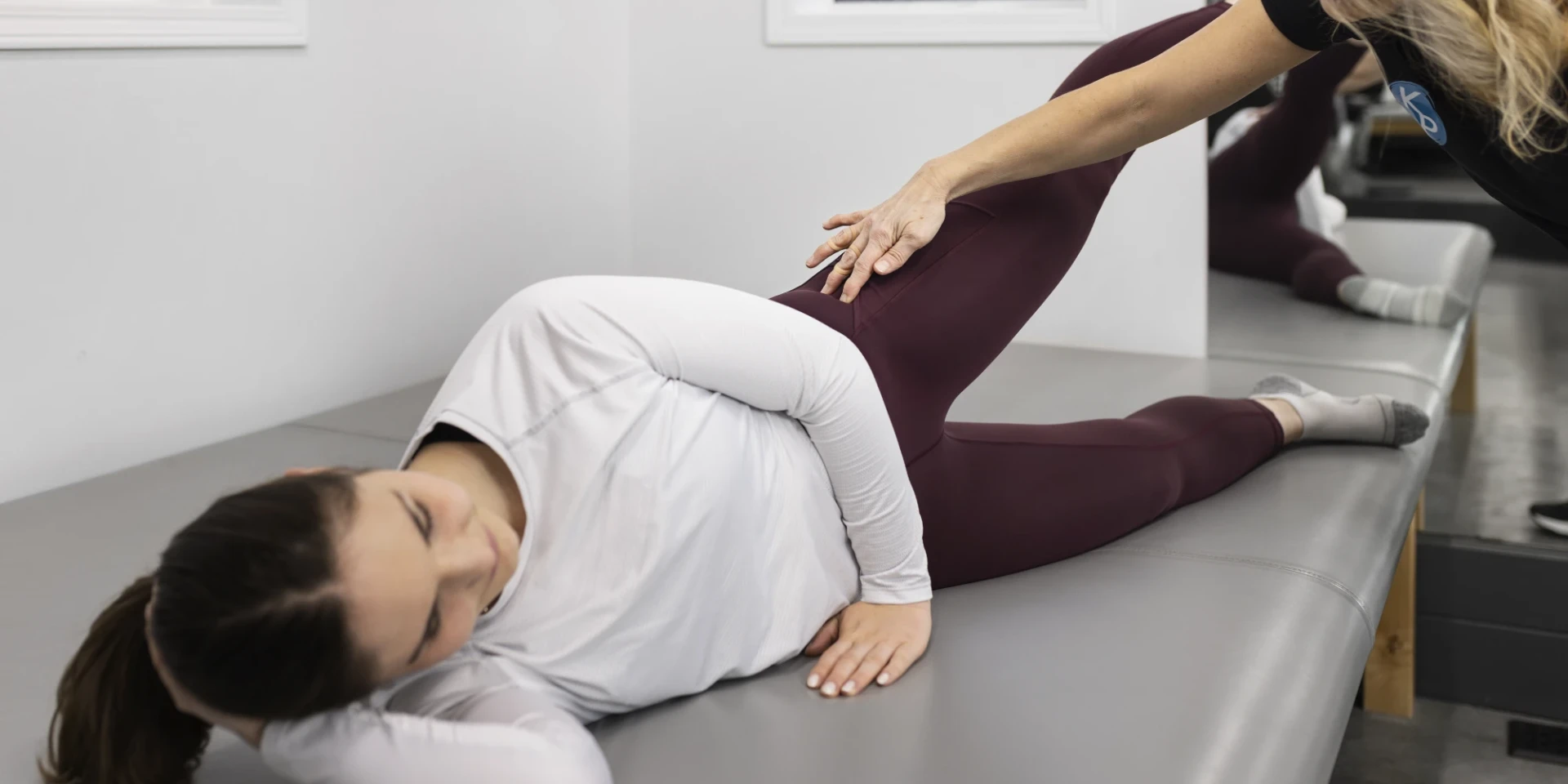
Kinesiology
A blend of science and movement to help you build strength, boost performance, and prevent injury.
Kinesiology Services
Kinesiology uses guided exercise and movement-based support to help you build strength, improve function, recover from injury, and move with more confidence. Explore the services below to find the type of support that best fits your goals, activity level, and stage of recovery.
Have a question, need help booking, or not sure which service is right? Contact us and we’ll help you take the next step!
Meet Your Kinesiologist
Work one-on-one with an kinesiologist who can help you understand how your body moves, build a plan that fits your goals, and guide you through each step with care and precision.

Kinesiology 101
Guided exercise for recovery, strength, and confidence
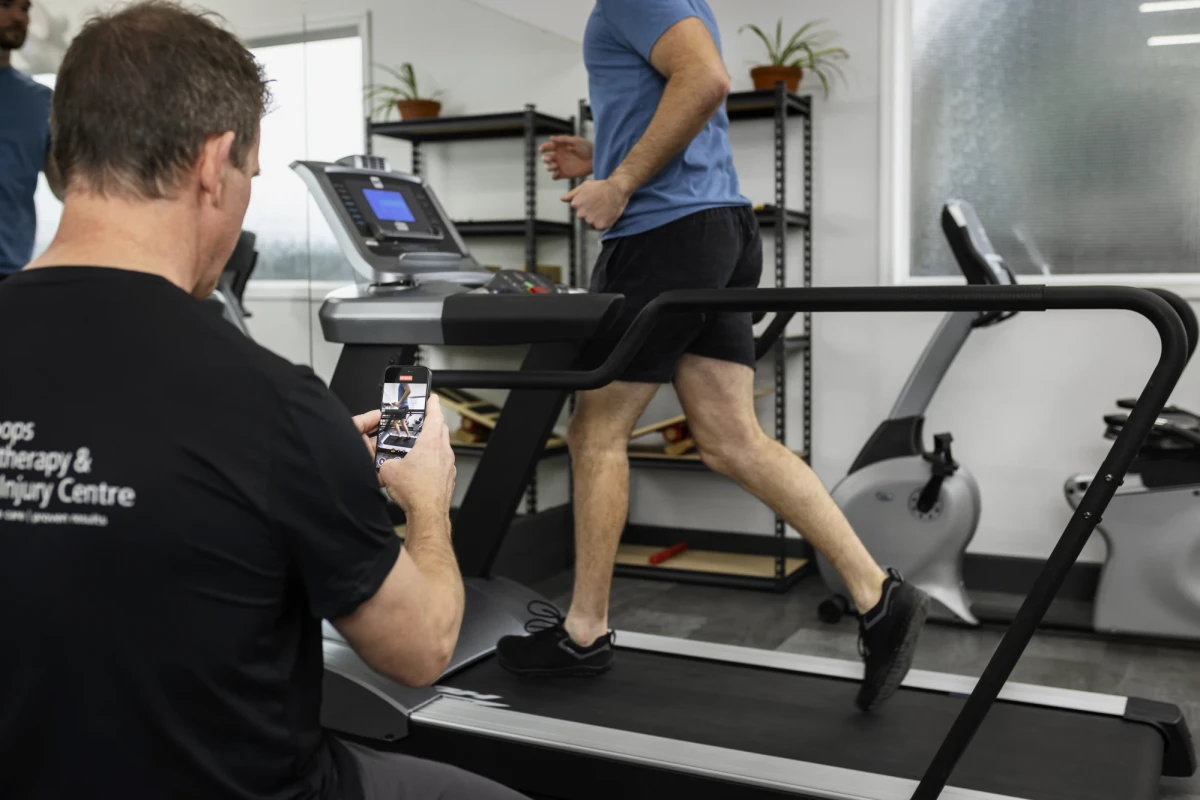
Kinesiology is the study of human movement. In a clinic setting, that means using exercise, education, and movement-based strategies to help you improve function, build strength, and work toward the activities that matter to you.
Your kinesiology program is tailored to your current fitness level, physical limitations, recovery stage, and goals. Whether you’re rebuilding after an injury, managing pain, returning to activity, preparing for a sport or event, or looking for more confidence in how you move, kinesiology gives you one-on-one support with a clear plan.
What to Expect
Your First Kinesiology Visit
Your first kinesiology visit is about understanding how you move, what you’re working toward, and what kind of exercise-based support will help you make progress.
-
1
Talk through your goals
Your kinesiologist will ask about your history, your reason for visiting, and what you want to improve, rebuild, or return to.
-
2
Assess movement and function
They’ll complete an assessment, which may include looking at your range of motion, flexibility, strength, function, and how your body moves through specific tasks.
-
3
Build your exercise plan
Your kinesiologist will explain what they’re finding and begin shaping an exercise plan around your needs, goals, and current ability.
-
4
Practise with guidance
You’ll work through targeted exercises with support, feedback, and adjustments. You’ll likely be given exercises to practise at home so you can keep building strength, confidence, and control between visits.
FAQs
What is kinesiology?
Kinesiology is the study of human movement. In practice, it uses guided exercise, movement assessment, and education to support strength, function, recovery, injury prevention, and physical performance.
Kinesiologists complete university-level education in human movement, exercise science, anatomy, physiology, and related areas. This training helps them build safe, practical exercise programs for people with different bodies, goals, injuries, and activity levels.
How is kinesiology different from physiotherapy?
Physiotherapy often focuses on assessing, diagnosing, and treating injuries, pain, and movement concerns. Kinesiology is exercise-based and focuses on helping you build strength, improve movement, restore function, and follow a guided activity plan.
The two can work well together. A physiotherapist may recommend kinesiology to help you continue building strength, confidence, and consistency as part of your recovery.
What happens during a kinesiology session?
Your kinesiologist will guide you through exercises based on your assessment, goals, and current ability. Sessions may include strength training, mobility work, balance training, movement retraining, conditioning, functional exercises, and education.
The goal is not just to complete exercises, but to understand why you’re doing them and how to perform them safely and effectively.
Do I need to be fit or athletic to book kinesiology?
No. Kinesiology can support people at many different activity levels, from those recovering after injury to athletes working toward performance goals. Your program will be tailored to your current fitness level, comfort, limitations, and goals.
[👋 TODO] Can kinesiology help with ICBC active rehabilitation?
Yes. Kinesiology can support active rehabilitation after a motor vehicle accident. If you have an active ICBC claim, you may be eligible for one-on-one kinesiology sessions focused on rebuilding strength, mobility, function, and confidence after injury.
Please confirm if this is the case and clarify notes about direct billing (and how it differs from physiotherapy ICBC claims, which are not accepted).
Can I see a kinesiologist without seeing a physiotherapist first?
Yes. You can book kinesiology on its own, or it can be part of a broader care plan with physiotherapy, massage therapy, or another provider. If you’re unsure where to start, the clinic can help direct you to the right type of appointment.