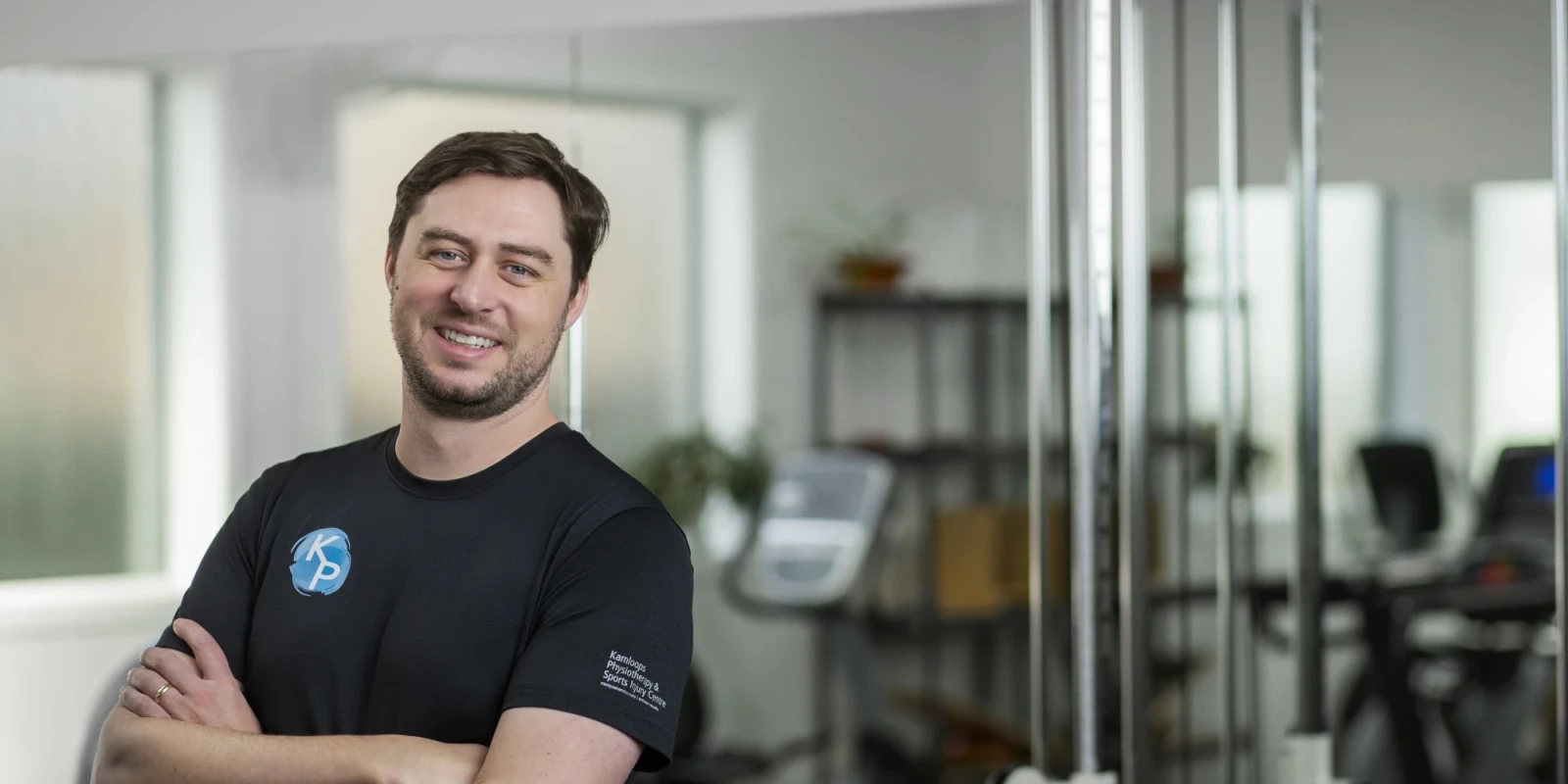
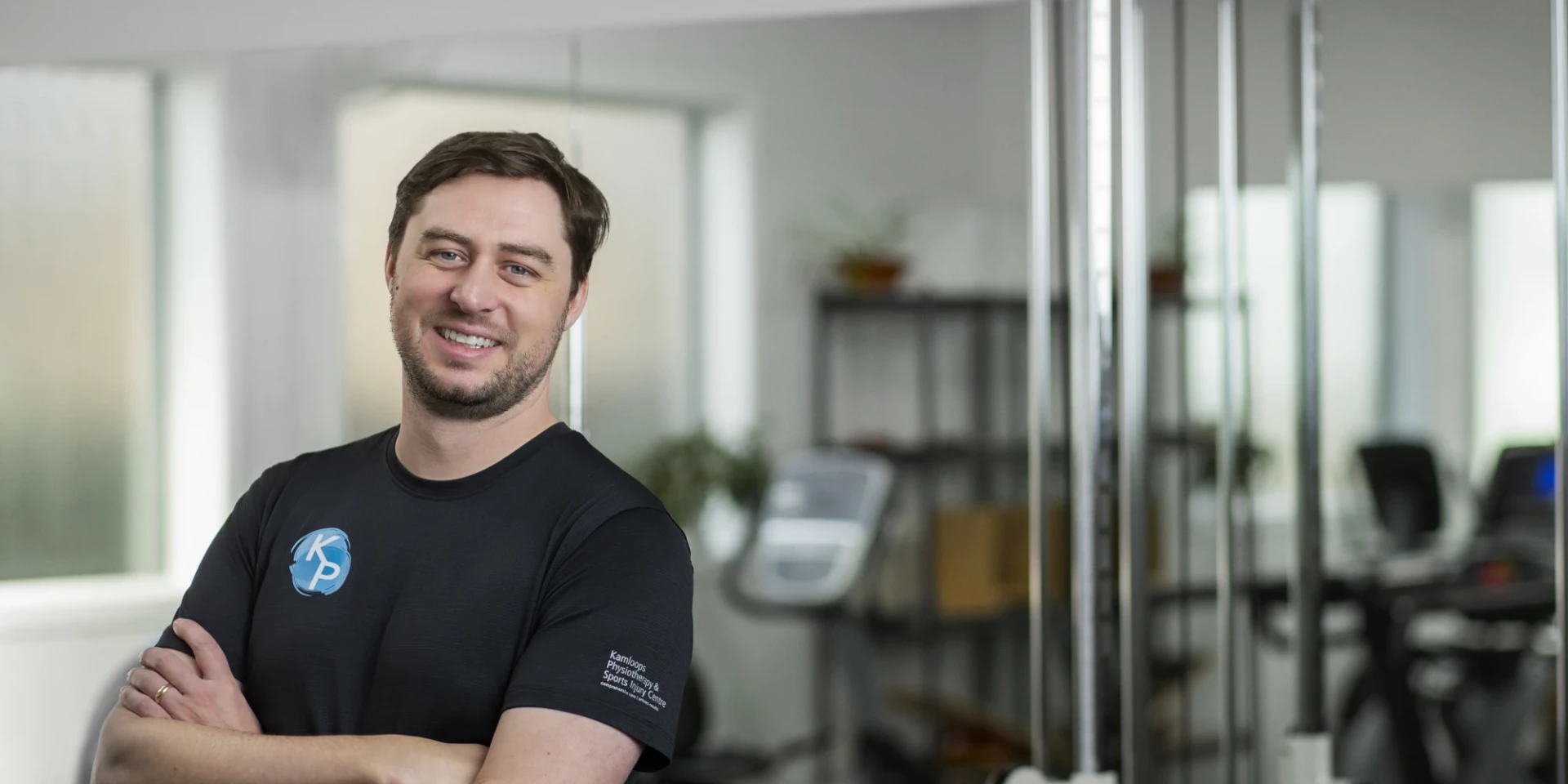
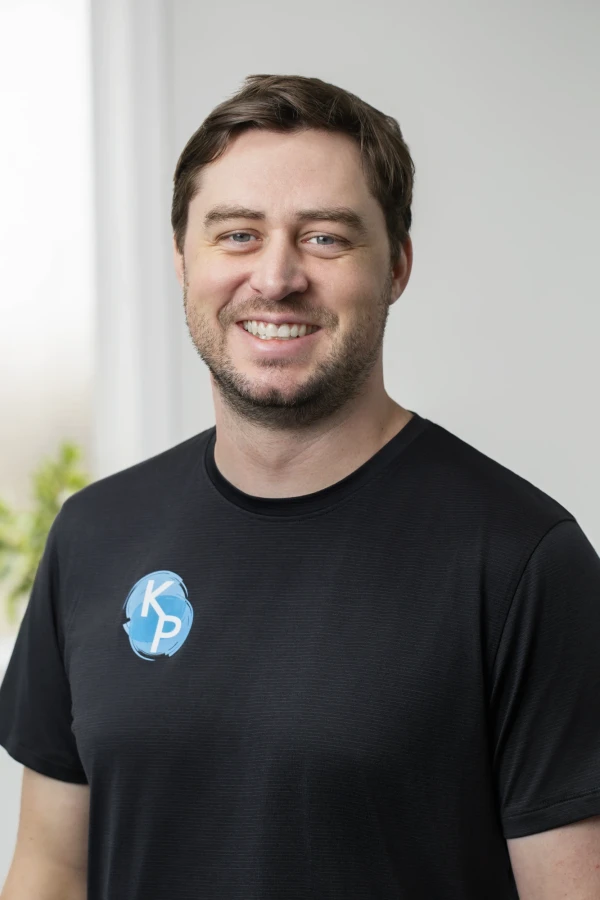
Tim Schmidt is a registered physiotherapist who has been practicing since 2019. His clinical interests include dry needling, vestibular physiotherapy, and concussion management, along with helping people return to sport, activity, and the everyday things that make life more enjoyable.
Tim is motivated by helping patients better understand what is going on in their body. He wants people to feel more in control of their recovery, not stuck waiting for someone else to “fix” them. His approach combines clear explanation, practical tools, manual skills, and active rehabilitation.
His care style is energetic, curious, and patient-centred. Tim makes room for patients to have a meaningful voice in treatment decisions, which helps the plan feel clearer, more collaborative, and easier to follow.
Tim’s work is especially well suited to people who want to get back to movement, sport, and adventure. Whether someone is managing dizziness, recovering from a concussion, dealing with pain, or trying to return to a favourite activity, he focuses on helping them move forward with more confidence and comfort.
Areas of focus
- Dry needling
- Vestibular physiotherapy
- Concussion management
- Manual therapy
- Sport and activity-related injuries
- Exercise therapy
- Patient education
- Return to activity
Book online with Tim
Tim is part of the Physiotherapy discipline. Learn more about their services and appointment availability below.
Approach to care
Tim puts understanding at the centre of treatment. Once people can make sense of what is happening, he gives them tools they can use to take part in their own recovery.
His treatments may combine manual therapy, dry needling, exercise, education, and vestibular or concussion-specific rehabilitation where appropriate. The goal is to help people feel better, move better, and feel more prepared for the demands of sport, work, family life, or their next outdoor adventure.
Tim also brings a strong collaborative mindset to care. He wants patients to be active participants in the process, not passive recipients of treatment. When people understand the plan and have a voice in it, they are more likely to trust the work and keep building momentum.
Quick tip
Sit down, stand up. That's a squat! Simple movements count, and they are often the best place to start.
Outside the clinic
Tim’s off-hours are usually active: playing with his kids, mountain biking, skiing, camping, fishing, and spending time outside.
He also has a good sense of humour about his own injuries, including a ski-related front flip face plant courtesy of his kids. Tim’s surely collected enough of his own bumps and crashes to have some personal sympathy for the recovery process!