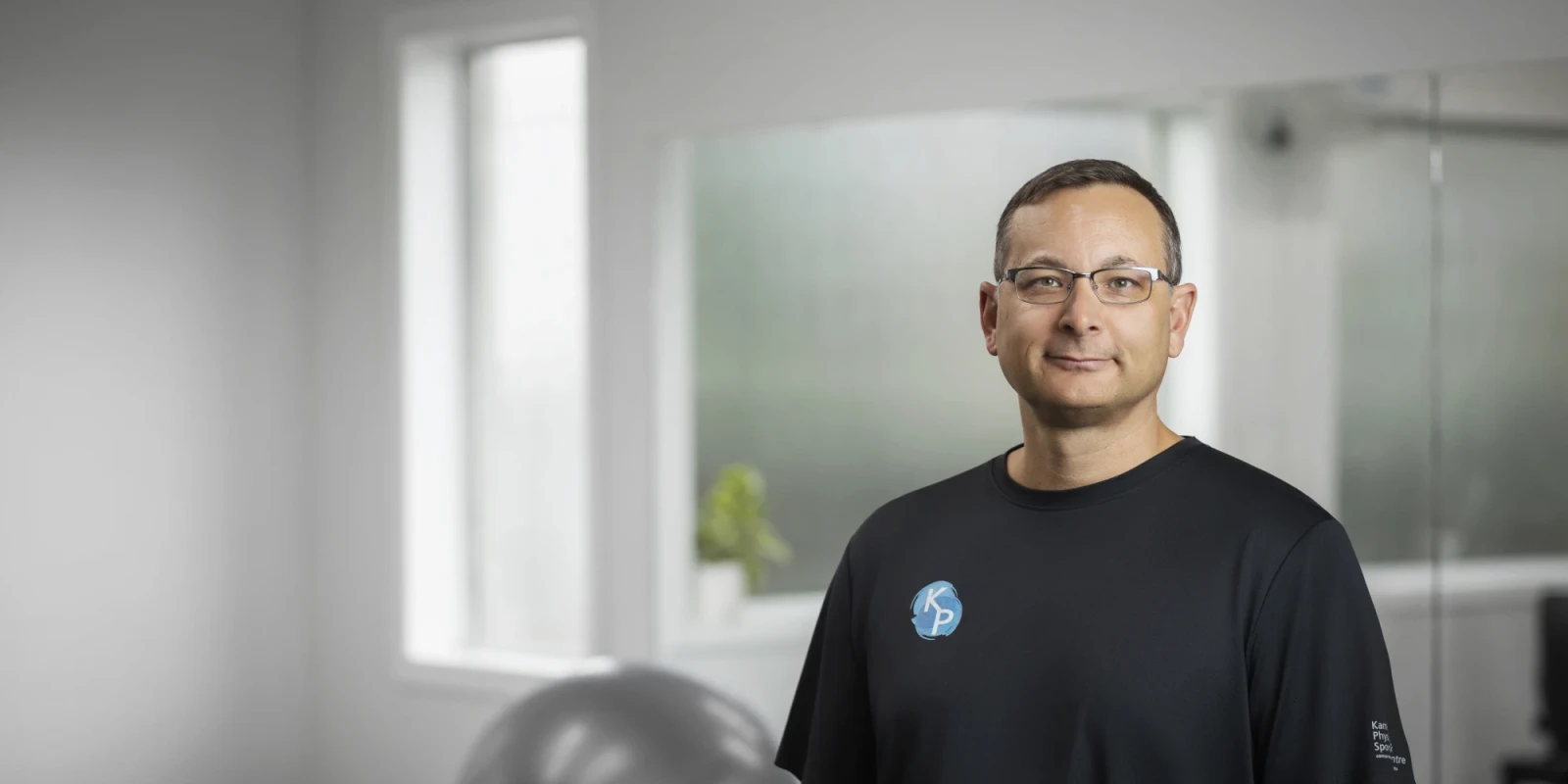
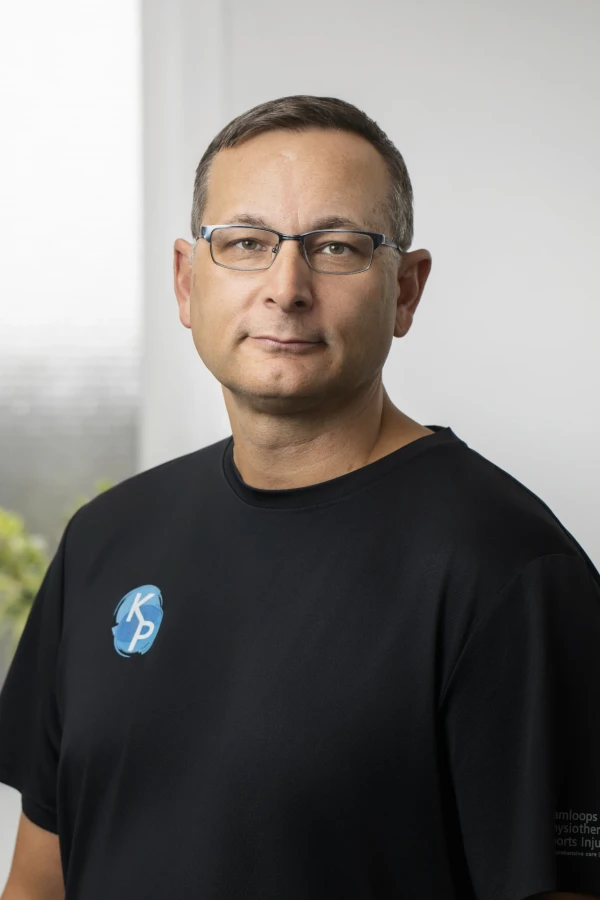
Robert Wingert is a physiotherapist who has been practising since 2006. A major career highlight was completing the postgraduate coursework and exams required to obtain his FCAMPT designation, reflecting a strong commitment to clinical reasoning, manual therapy, and ongoing professional development.
Robert enjoys helping people get back to the activities and routines they care about. His work is grounded in clear assessment, practical treatment, and helping patients understand potential options for treatment.
His clinical experience includes rehabilitation for people recovering from post-operative knee, hip, shoulder, wrist, and hand surgeries. He also brings experience in hand therapy, acupuncture, IMS, and manual therapy, giving him a broad set of tools to draw from depending on the patient’s presentation.
Robert’s care often blends exercise, education, hands-on therapy, and needling where appropriate. He focuses on helping people understand what is happening, what options may help, and how to keep moving toward recovery.
Areas of focus
- Manual therapy
- IMS
- Acupuncture
- Hand therapy
- Post-operative rehabilitation
- Knee, hip, shoulder, wrist, and hand rehabilitation
- Exercise therapy
- Patient education
Qualifications
- Fellows of the Canadian Academy of Manual and Musculoskeletal Physiotherapists (FCAMPT)
- Certified Hand Therapist (CHT)
Book online with Robert
Robert is part of the Physiotherapy discipline. Learn more about their services and appointment availability below.
Approach to care
Robert works to identify what is limiting a patient’s recovery, then builds a plan that helps them understand their options and return to the things they enjoy.
He describes his work simply: helping people achieve their best possible recovery.
His background in post-operative rehabilitation gives him experience supporting people through structured recovery, especially when progress needs to be careful, steady, and goal-focused.
Robert also values clarity. When patients understand what is happening and why a treatment plan is being recommended, they are better prepared to participate in their recovery both inside and outside the clinic.
Quick tip
Even small, appropriate amounts of movement can help support recovery, confidence, and function.
Outside the clinic
When he is not in the clinic, Robert is often running, mountain biking, camping, or fishing.